INTERVIEW: Chicago-based Astrachan Explores Political Identity through Rock
By Rivka Yeker
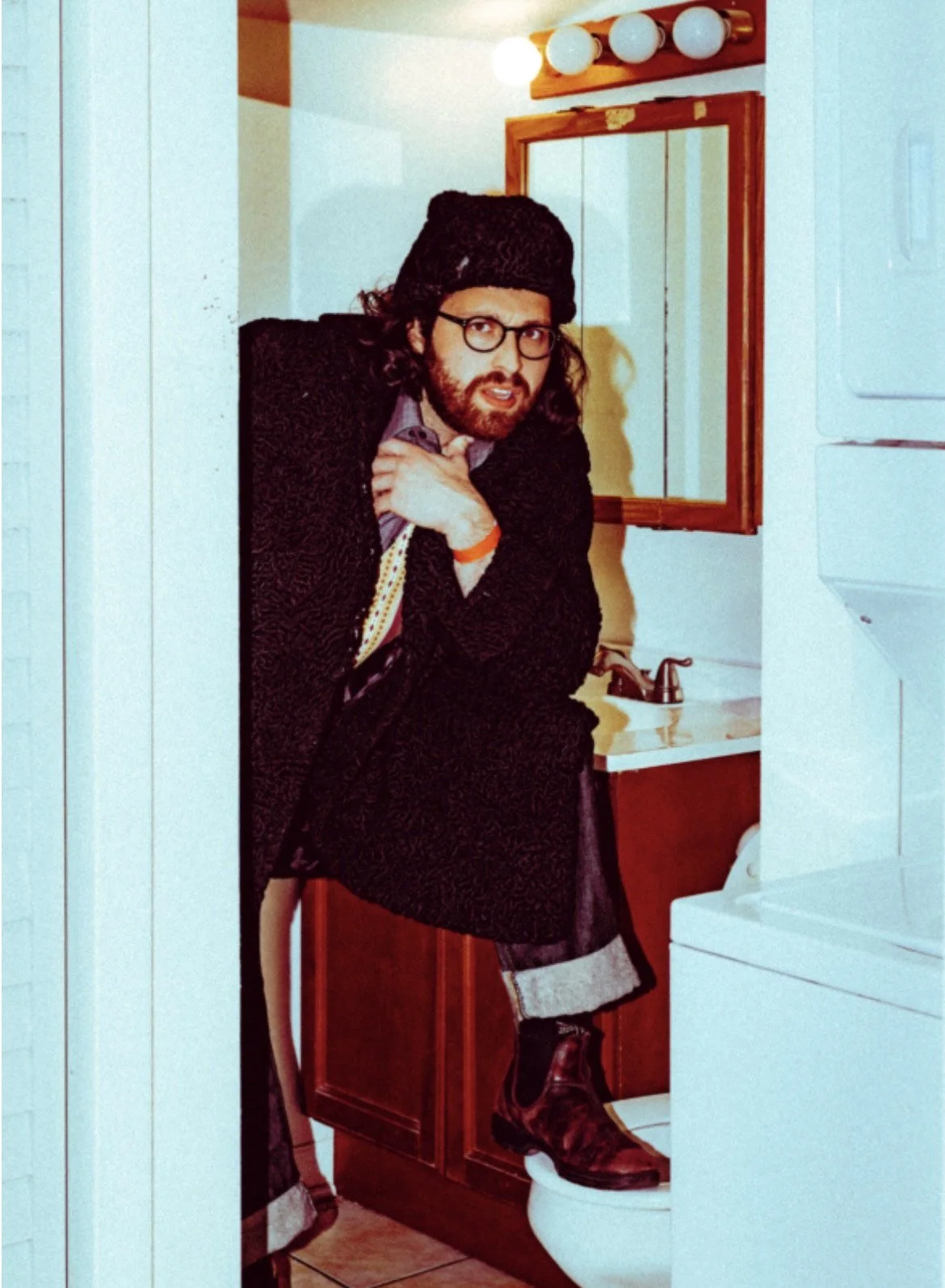
I got to interview my buddy Ben, the person behind Astrachan, his solo project that blends psych rock, lo-fi, and folk music into something politically self-aware and self-reflective. Astrachan released their most recent record Signs in October. Here’s a little bit about the album!
I love the contrast between uplifting psych/alt rock and sometimes more serious, challenging lyrics on this record. Are your approaches to writing the music and the lyrics similar? Different?
I record everything on a Tascam 388 reel-to-reel, an all-in-one tape machine and console first released in 1985. Because it’s only eight tracks and doesn’t allow for infinite undoing or plugin crutches, it forces you to move fast and make choices instinctively. I usually don’t arrive with finished songs; I spend the day playing with sounds, drum bears, and words and let the pieces emerge. That limitation makes the process playful and experimental: the music and the lyrics grow together through the same improvisatory logic, rather than from two separate, overly planned workflows.
What were some of your biggest artistic influences for this album?
I lean on old masters, Cat Stevens (Yusuf Islam) and George Harrison have long been touchstones, especially in how they approach spiritual themes. But the deepest influences are the people I play and write with in Chicago: Jeb (No Lonesome), Austin (Smushie), Meredith (Shoulderbird), Ivan (Pyzow), Helen (Butthole) and Max, Jonah, and Rahila from Family Junket, among many others. The city’s community and ongoing scene inform the record as much as any classic album.
More on Astrachan:
On Signs, Astrachan dips his ladle into a great borscht of mystical and political influence to serve up a kaleidoscopic brew of anti-Zionist, Bundist, diasporic indie rock, self-produced in the candlelit haze of his all-analog basement-bedroom studio. Signs is a hymnal to the madness of the Jewish prophets who railed against the follies of the Nation and were banished into spiritual wilderness. It deals with apocalypse in the original sense (revelation, “un-covering”), and asks, what does it mean to be conscripted in a cosmic war? How do we walk the tightrope of justice and peace? And when G-d winks at us through the veil, are we ready to respond?
There is a lot of free-spiritedness in your music - it reminds me of a time that didn't feel so heavy. How do you capture that joy?
I try to treat every session as an act of discovery. When you abandon expectations and keep moving from one idea to the next, the music stays alive. Playfulness and experimentation are deliberate practices for me, rejecting formulaic approaches and automated workflows opens space for surprises, originality, and, yes, joy.
What are you most excited about with the release of this record?
The record wrestles with some heavy questions, in particular, my experience as an anti-Zionist Jew reckoning with what’s happening in Gaza. I’m proud to add my voice to the lineage of Jews who use creativity and political engagement to oppose violence and demand accountability. That engagement, using music as both witness and protest, is what I’m most excited to share.
If you could make the suggestion, what would you want people to do while listening to this album?
Do some civil disobedience ;)

Be a mensch and listen to Signs!